
A Restaurant’s Brand Begins Before the First Reservation
Hospitality marketing makes a promise about an evening. The details determine whether it is a promise the restaurant can keep.
By Wexton House PR Team
- Edition
- 19 March 2026
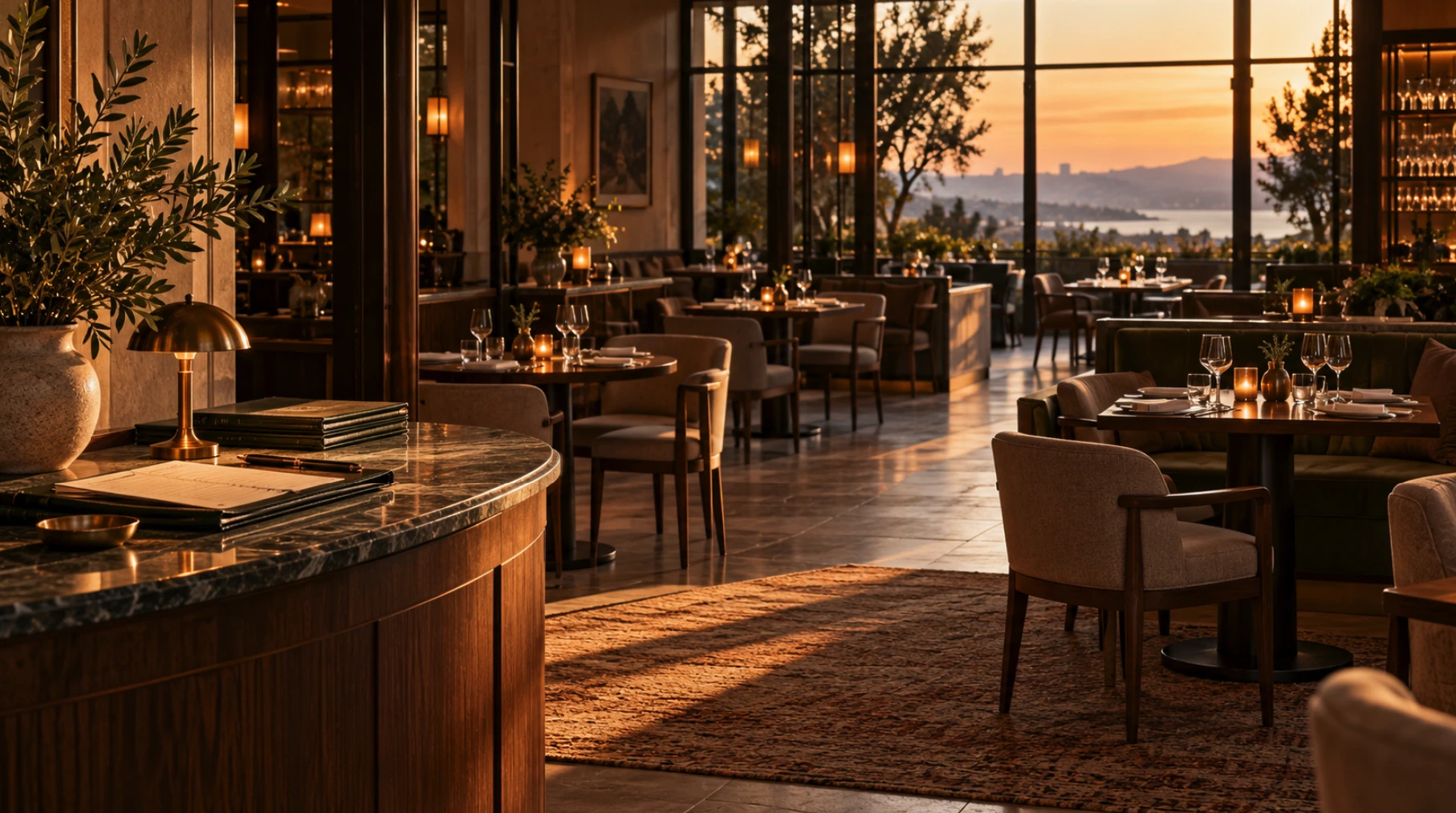
A photograph of an empty dining room asks the viewer to imagine an evening that has not happened yet. The light suggests a mood. The distance between tables hints at the kind of conversation possible there. Before food enters the picture, the restaurant has begun making a promise.
The promise becomes more complicated when the guest tries to plan an actual visit. A menu without prices creates one sort of uncertainty. A reservation link with unclear seating options creates another. Information that seems prosaic to the business may be decisive to someone arranging an anniversary dinner or bringing a guest with access requirements.
It is tempting to treat those practical questions as interruptions to the brand story. They are closer to the substance of hospitality. A restaurant that anticipates what a guest needs to know is already demonstrating a form of care. The design of that exchange affects what the invitation means.
Consider a hypothetical venue promoted as a quiet destination for an unhurried meal. If its imagery conceals a lively bar beside the dining room, the campaign may produce bookings while also producing mismatched expectations. The marketing has performed well according to a narrow measure and poorly according to the experience it has sold.
Accuracy need not flatten the atmosphere. Showing the restaurant at different moments can help guests choose the occasion that suits them. Clear descriptions of dining areas can be more persuasive than a general assurance that every visit will be memorable. A believable invitation makes room for the possibility that this particular restaurant is not right for every evening.
This has implications for opening campaigns. The urge to release the strongest photograph before the reservation arrangements are settled is understandable. Yet the first encounter also teaches a guest how the restaurant handles uncertainty. An unanswered question becomes part of the introduction, however carefully the image was selected.
The physical restaurant will ultimately have to carry the expectations created around it. Marketing has some responsibility for how manageable that task becomes. A useful restaurant brand helps the right guests anticipate the evening they are likely to have, including the details that would never appear in a campaign headline.