Independent perspectives on business, design, hospitality, and culture.
Featured
What the world's finest hotels understand about service, and why exceptional hospitality begins long before a guest arrives.
Read the article
Why some of the world's most distinctive brands have learned that recognition does not always require attention.
How thoughtful design influences customer perception, and why the most successful environments offer something beyond visual appeal.
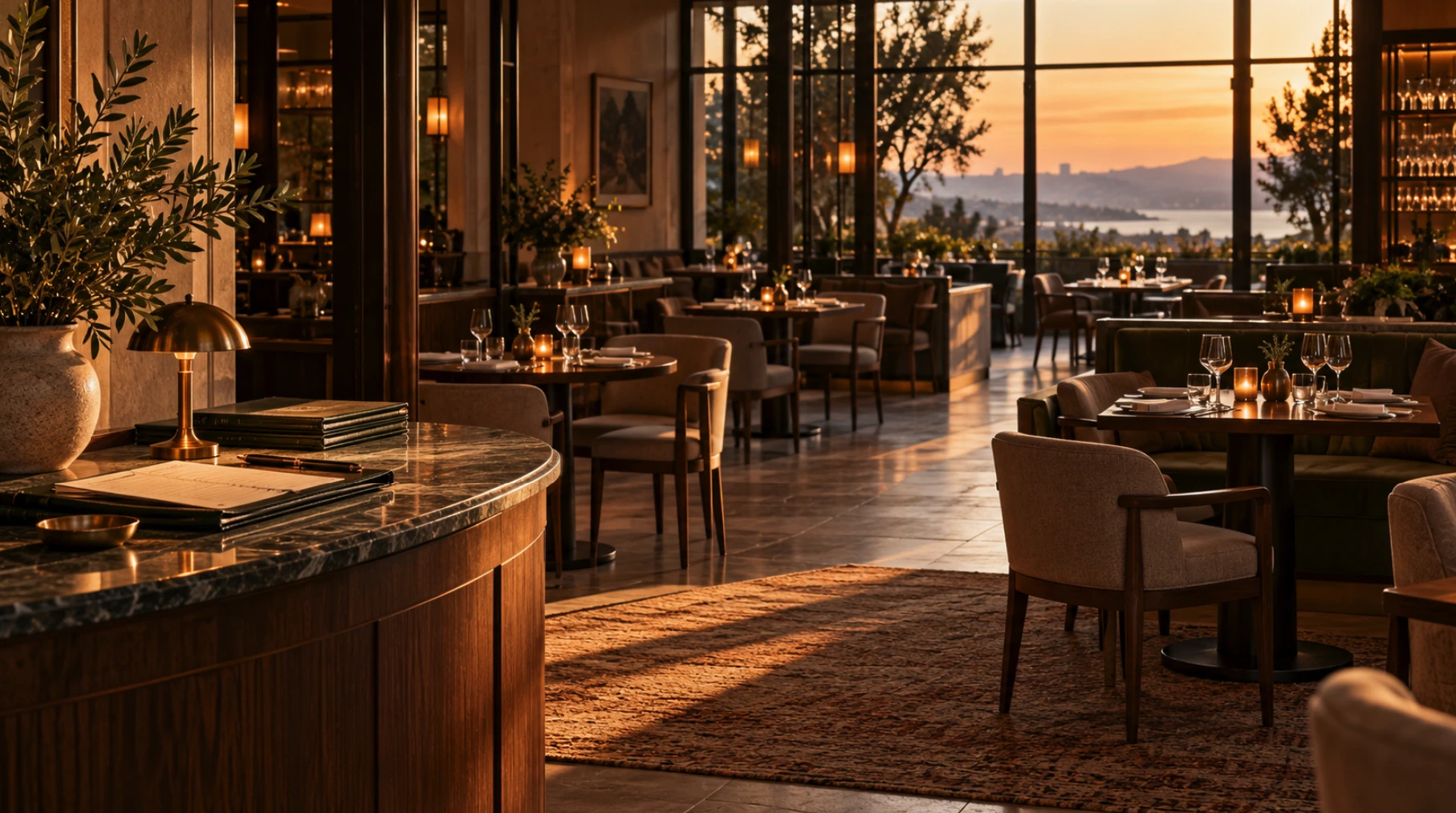
Why the most memorable restaurant experiences are becoming less concerned with spectacle and more attentive to the people gathered around the table.
Launch planning should account for what the business is prepared to learn after it has asked for attention.
AI changes the cost of producing an answer. The difficult question is who remains qualified to judge it.
A conversion path can fail by asking for commitment before it has earned understanding.
The brief does its most important work when it makes disagreement useful before the work becomes costly to change.
A metric becomes a management tool only when the business understands the judgment built into it.
Consistency becomes useful when it preserves a brand’s meaning without requiring every expression to look alike.
A positioning decision becomes meaningful when the business accepts what it can no longer promise to everyone.
Hospitality marketing makes a promise about an evening. The details determine whether it is a promise the restaurant can keep.
A website’s restraint becomes costly when it asks the visitor to supply information the business has omitted.
The argument for a larger marketing budget depends on what the business can do with the demand it creates.